

The Story of Auschwitz
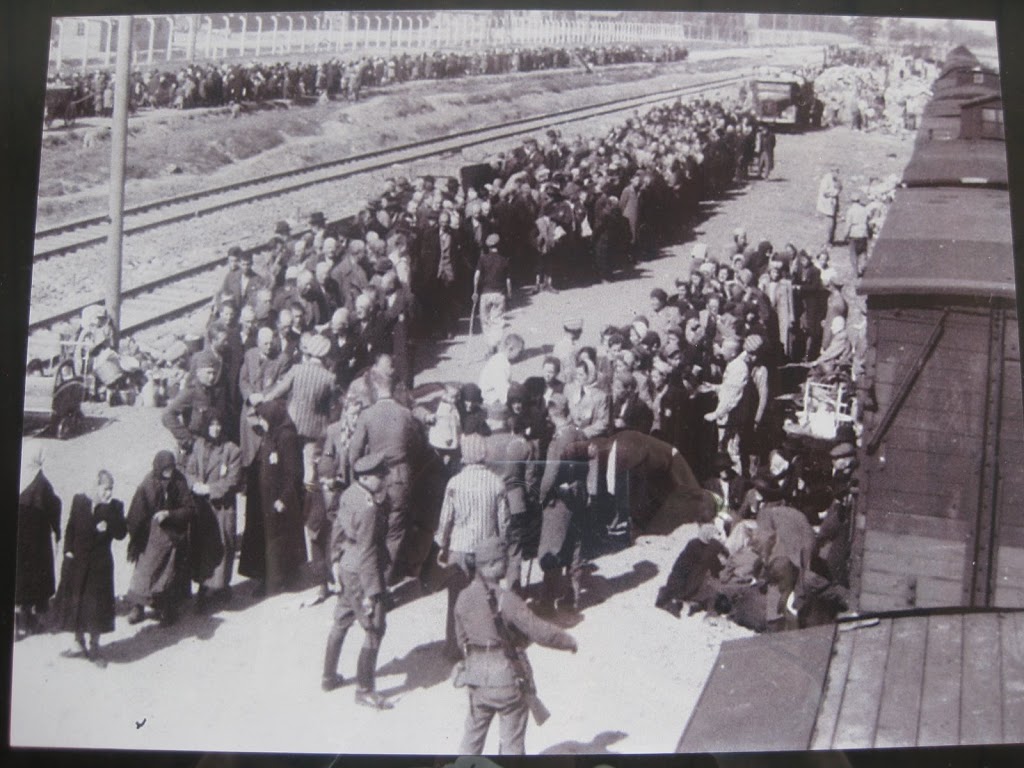
Shocked and Stunned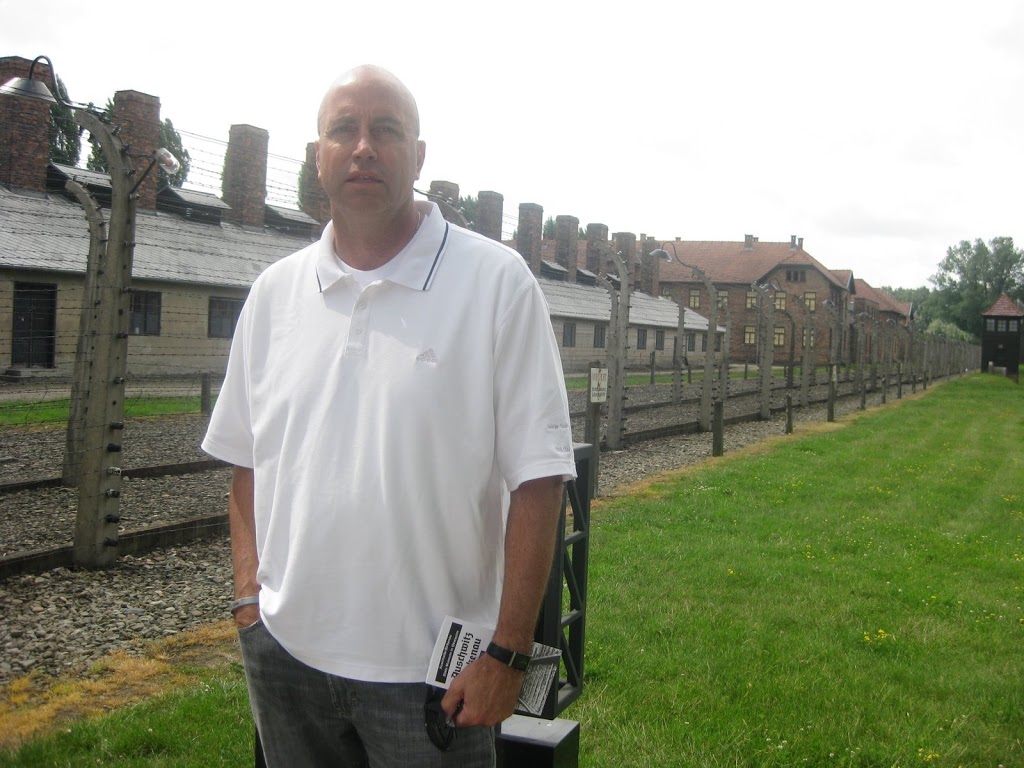 Unloading off the train

I questioned whether or not I should even write about it in fear of not adequately painting a true picture of my time there, for fear that someone might not understand the complete loss of life and the measure of the tragedy that took place at the hands of Hitler. Knowing full well that none of us will ever completely understand the atrocities that happened, I write this blog in the hopes that we will never forget.
I flew into a town called Krakow, Poland and hired a driver to drive me 90 minutes to the camps. I took time to talk to my driver, Arthur, about faith in Jesus Christ and pointed him to visit http://www.callonjesus.com/, and he assured me that he would. He was a safe driver for the narrow twisting road that we traveled. Every mile closer, I knew that it would be only a few more minutes until I arrived.
Nothing anyone could have ever said or explained would have prepared me for what I saw and learned. The first thing you noticed was a sign which read, “Arbeit Macht Frei,” which means “Work will make you free.” It was an attempt to cause the Jews NOT to fear upon entering a true DEATH CAMP called Auschwitz.
Hitler’s hatred for the Jews and fear for those who may have one day turned against him in his quest to conquer Europe led him to deport 1.3 million people into the Auschwitz-Birkenau camps. A total of 1.1 million Jews were sent to the death camps in Auschwitz-Birkenau, and of that number, 438,000 Jews were from Hungary and another 300,000 were from Poland.
When the Jews arrived, they came in CROWDED railroad cars, some of them having traveled up to four days in railroad cars with no food, water or toilets. The first thing that would happen is that they would separate the men from the women.
Then they would be looked at to see who was the strongest and best suited to do work. About 25% were sent to Auschwitz to work, and the other 75% were sent straight to the gas chambers in Birkennau. The first thing they would do would be to have them take off all their clothes and head to the showers (or so they thought). They figured that because they had been couped up in the railroad cars, a shower would be in order. The Germans even affixed shower heads to the top of the gas chamber in order to trick the Jews into thinking that there was nothing wrong.
Of course, there were no showers, and after the doors were locked, then the gas would be dispensed, and within 15 minutes, everyone inside would be dead.
After they were murdered, they were thrown into the incinerator and burned. The SS Germans did every thing they could to hide their tracks, but history will never let us forget or neglect the details of this vile hatred. The story of the Holocaust is a tragic tale of terror, as Hitler killed over 6 million Jews in the 1940’s, and we must never forget.